Sutures
Sutures are a medical-grade thread
- Walk in any day, 8 AM – 9 PM (Cicero: 7 AM – midnight)
- Available at all 3 Cermak clinics
- Most insurance accepted, self-pay prices posted
No appointment needed; booking online holds your place in line.
About Sutures
What are sutures?
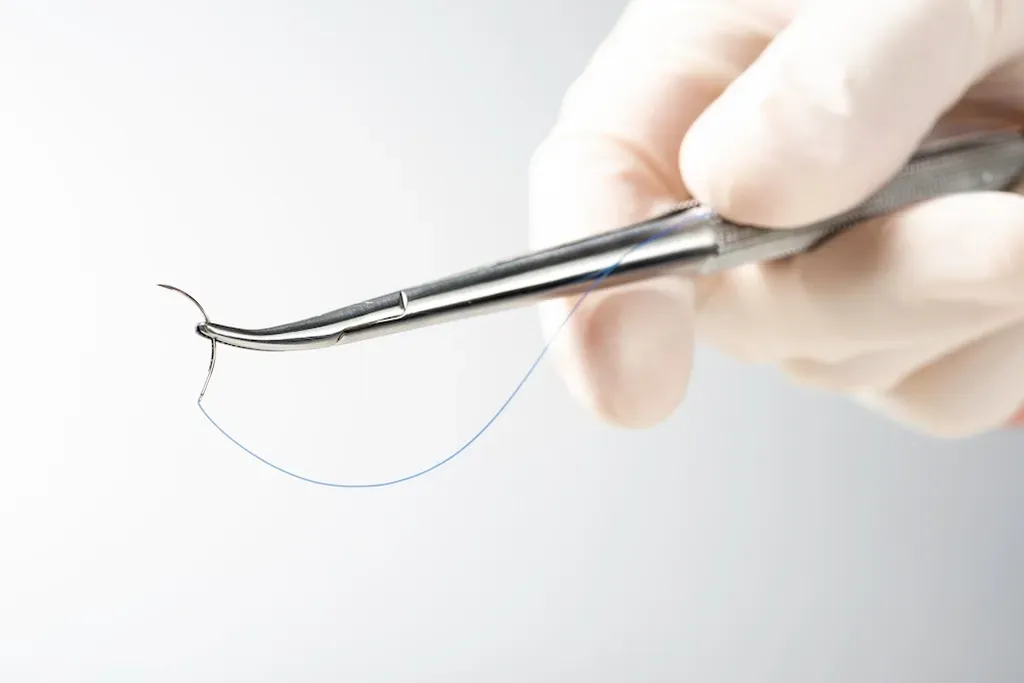
Sutures are stitches using a sterile, thin medical thread to close wounds. Stitching the edges of a wound together lowers the risk of infections and supports healing. An open wound heals faster and forms a stronger bond when the edges are close together.
Are there different kinds of sutures?
Yes. Absorbable and nonabsorbable sutures are available. Additionally, various materials are used to make both types.
Your body breaks down and clears away absorbable sutures. However, these sutures are primarily used to close wounds after surgery.
At Cermak Immediate Care, the team uses nonabsorbable sutures when treating cuts and other wounds. Your provider must remove these sutures after the wound heals.
When would I need sutures?
It’s not always easy to know when you need sutures. Whether you need them depends on what kind of wound it is, where it’s at, its size and depth, and the risk of infection.
One sign that you need stitches is having a wound you can’t close with gentle pushing. However, even if you can push the edges together, you might still need sutures if the wound is deep.
Because of the variables, you should see your Cermak Immediate Care provider to determine if stitches are necessary. If you’re uncertain, call the office or walk in for an exam instead of waiting to see if the wound heals. Sutures should be applied within 6-8 hours.
Your provider may recommend sutures when the wound:
- Is longer than three-quarter inches
- Is more than one-quarter inch deep
- Has jagged edges
- Has a large opening (the edges don’t meet)
- Is over a joint (where movement may keep pulling the wound open)
- Is deep enough to reveal underlying tissues (muscle and bone)
- Is on your hand or fingers
- Is in an area where you want to minimize scarring
You’ll also need sutures if the bleeding doesn’t stop after 15 minutes of constant pressure.
What happens when getting sutures?
The skilled Cermak Immediate Care providers first stop any bleeding. Then, they focus on easing your pain and cleaning and examining the wound to determine the best treatment. If you need sutures, they use a local anesthetic to ensure your comfort before stitching the wound.
Cermak Immediate Care welcomes walk-in patients at both their offices. If your wound isn’t bleeding or severe, you can also schedule a same-day appointment through online booking or by phone.
Get treated for Sutures today
All three clinics treat Sutures, every day from 8 AM to 9 PM (Cicero: 7 AM to midnight). No appointment needed.
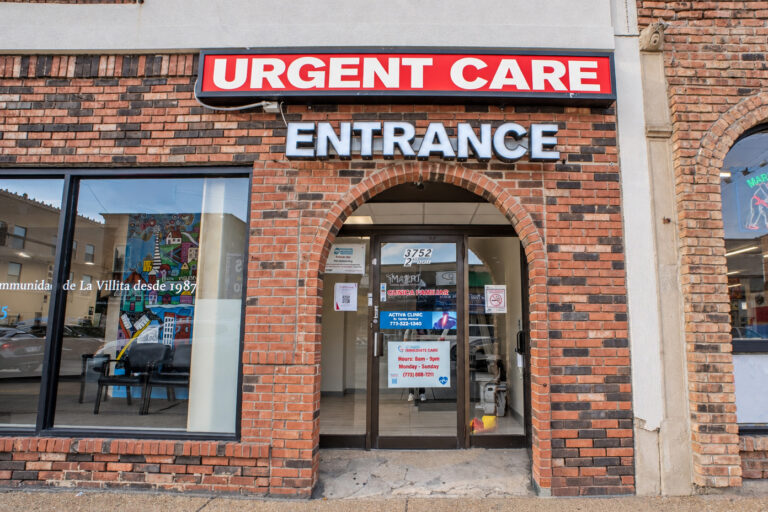
What patients say
4.7
From 4,200 reviews on Google Maps
- Cicero 4.7 (3,522) — read reviews on Google
- Chicago – Pilsen & McKinley Park 4.7 (563) — read reviews on Google
- Chicago – Little Village 5.0 (115) — read reviews on Google
Read each clinic's reviews on Google Maps.
-
I took my son on a Saturday night in hopes I’d find something since he was in so much distress from an earache. From the front staff to the doctor everyone was so nice and attentive. We were in an out in less than an hour and the doctor was very attentive to my son. 5 stars and they are even open on the weekends until 12AM! Loved this place
Delanie flores a week ago, Cicero
-
There was very good staff they were extremely nice and welcoming and helpful with any questions I had. The Dr. Was super nice also and treatmentwent well.. Most important was it was very quick service i was in and out in 20 minutes for the entire process. Which was great!
Vanessa Castillo a week ago, Chicago – Pilsen & McKinley Park
-
Great experience. No wait time. Super clean and professional. I recommend 10/10
Karen Reyes in the last week, Chicago – Little Village
-
Between the nurses and doctor, it was swift and tender care. They listened to my concerns and had answers for me fast. The nurses were so kind, the doctor just as much. I walked in with a last minute appt for 10:05 and was out by 10:40. Extremely impressed with the due diligence
Madyson a week ago, Cicero
-
Cermak Immediate Care staff was kind, efficient and thorough. I came to be treated for a scratch from a stray cat. The ladies in the front and Dr Eric were all very attentive And made sure I received accurate care to prevent any infection.
Luewilla Smith a month ago, Chicago – Pilsen & McKinley Park
-
Great place! Outstanding and super friendly staff . Came in 20 minutes before closing, no appointment needed. was surprised because many places require appointments but not this urgent care. No complains whatsoever!!
abby a month ago, Chicago – Little Village
Come to us for
Fever, flu and COVID symptoms, sore throat, ear pain, UTIs, rashes, cuts that need stitches, sprains, minor burns, work injuries, physicals and lab tests.
Call 911 or go to the ER for
Chest pain, trouble breathing, signs of stroke, severe bleeding, a head injury with confusion, or loss of consciousness.
Need care for Sutures?
Walk in any day from 8 AM to 9 PM (Cicero: 7 AM to midnight), or book online to hold your place.